Password protected pages. Please Contact Us:
The 2027 We Speak Eleven National Festival.
Festival & Cultural Vision
The We Speak Eleven Festival and Musical unite South Africa through culture, heritage, and music. Every community has a place in these productions — equal in visibility, dignity, and representation.
These initiatives bring cultural groups together to promote cultural preservation, national unity, and economic opportunity, while offering audiences a unique, immersive experience.
Performances include music, theater, and storytelling drawn from the lived experiences of South Africa’s diverse communities, presented in all 11 official languages.
The “Village Experience”
Each village includes:
Live Music: Local instruments and traditional songs.
Taste of Heritage: Signature food from that specific culture.
Dance and Storytelling: Elders sharing oral histories.
Visual Arts: Craft-making and traditional attire displays.
Entertainment: At the village, visitors are invited to reconnect with the heartbeat of the home. This space is dedicated to Heritage Games, the old-fashioned pastimes that shaped generations—and the sharing of Traditional Wellness, where the knowledge of home remedies and natural wisdom is passed from elders to the youth.
The Village Marketplace:
Commercial Participation & Artisan Stalls While each Cultural Village is a dedicated space for heritage and education, we recognize the importance of economic empowerment for local creators.
The Authenticity Clause: All stallholders are bound by the Festival Charter. Only handcrafted, culturally relevant items are permitted. The resale of mass-produced, “shop-bought” inventory is strictly prohibited to ensure the marketplace remains a platform for genuine South African craftsmanship.
Separation of Space: Participation in a Cultural Village does not automatically include a retail footprint.
Artisan Stall Bookings: Communities or individuals wishing to sell handcrafted goods may apply for a dedicated stall within their village for an additional participation fee.
Explore the 15 Cultural Villages
Each village represents a cultural group of South Africa, offering music, dance, food, storytelling, history, and traditional arts. Together they form the heartbeat of the festival.
*While Afrikaans is a shared language across several communities, We Speak Eleven recognises that language and culture are not always the same.
For this reason, distinct cultural villages are created where traditions, histories, music, and lived experiences differ — ensuring authentic and respectful representation for all.*
1. Afrikaner Heritage Village / 2. Kleurling Heritage Village / 3. Cape Malay Heritage Village / 4. English-Speaking Communities Village / 5. Indian & Asian South African Heritage Village / 6. amaNdebele Heritage Village / 7. isiXhosa-Speaking Communities Village / 8. isiZulu-Speaking Communities Village / 9. Khoisan Heritage Village / 10. BaPedi (Sepedi) Heritage Village / 11. BaSotho (Sesotho) Heritage Village / 12. BaTswana (Setswana) Heritage Village / 13. emaSwati (siSwati) Heritage Village / 14. VhaVenda (Tshivenda) Heritage Village / 15. VaTsonga (Xitsonga) Heritage Village
1. Afrikaner Heritage Village
The Afrikaner Heritage Village reflects a culture shaped by farming life, frontier history, faith, family, and resilience.
Here, visitors encounter traditional music such as Boeremusiek, Boeresport, Boere Raad, traditional games like Giffie, storytelling, food traditions, and everyday customs that formed across generations in rural and town communities.
This village honours lived heritage, not politics — focusing on cultural continuity, memory, and contribution.
Available 🟢
Taken
Book your village
2. Kleurling (Coloured) Heritage Village
This village celebrates the rich and distinct Afrikaans-speaking heritage rooted in the Northern Cape, Western Cape, and urban communities.
Traditions such as the Riel dance, ghoema rhythms, oral storytelling, and everyday cultural expression reflect a history shaped by resilience, humour, and deep community bonds.
The Coloured Afrikaans Heritage Village recognises a culture with its own voice, rhythm, and identity.
Available 🟢
Taken
Book your village
3. Cape Malay Heritage Village
The Cape Malay Heritage Village honours a culture shaped by faith, family, cuisine, music, and centuries of shared history at the Cape.
From choral traditions and storytelling to food and language, this village reflects a unique blend of African, Asian, and Cape influences.
It is a space of dignity, continuity, and living tradition.
Available 🟢
Taken
Book your village
4. English-Speaking Communities Village
This village reflects the diverse English-speaking communities of South Africa, shaped by shared language rather than a single cultural origin.
It recognises literature, music, heritage, and community traditions that have contributed to South Africa’s civic, educational, and cultural life.
The focus is on contribution, dialogue, and shared national space.
Available 🟢
Taken
Book your village
5. Indian & Asian South African Heritage Village
The Indian & Asian South African Heritage Village celebrates cultures rooted in migration, family enterprise, faith, and community life.
Visitors encounter music, food traditions, storytelling, and cultural practices that have shaped South Africa for generations.
This village reflects both heritage preservation and modern cultural expression.
About This Village
The Indian & Asian South African Heritage Village recognizes multiple distinct cultural communities that share South African history but retain their own identities.
This village is structured as a shared space with clearly defined cultural zones, ensuring that each tradition is represented authentically and respectfully — without blending or loss of identity.
Indian & Asian South African Heritage Village
A shared space recognizing distinct South African communities of Asian heritage.
Cultural Sub-Zones:
• South African Indian Heritage
Tamil, Hindi, Gujarati, Urdu, and related cultural traditions shaped by South African history.
• Chinese South African Heritage
Language, music, food, and cultural traditions of Chinese South Africans.
• Asian South African Heritage
Representation of other Asian communities with established South African cultural presence.
Each sub-zone operates independently and curates its own cultural expression.
Why Not Separate Villages?
This is the key justification (especially for government and sponsors):
- Festival size and logistics
- Fair spatial allocation
- Avoiding artificial separation where history overlaps
- Allowing internal self-representation rather than imposed categories
No cultural group is required to combine artistic expression with another group.
Shared village placement does not imply shared identity.
This structure is similar to how European heritage is represented internationally — with distinct cultures sharing space, not identity.
Available 🟢
Taken
Book your village
6. amaNdebele Heritage Village
Known for bold visual identity and strong community traditions, the amaNdebele Heritage Village showcases art, design, language, and cultural expression passed down through generations.
This village highlights how tradition, identity, and modern life continue to coexist with pride and purpose.
Available 🟢
Taken
Book your village
7. isiXhosa-Speaking Communities Village
This village honours isiXhosa-speaking communities through language, music, storytelling, and cultural practices rooted in history and living tradition.
Visitors encounter expressions of identity shaped by land, family, ceremony, and resilience.
It is a space of voice, continuity, and shared belonging.
Available 🟢
Taken
Book your village
8. isiZulu-Speaking Communities Village
The isiZulu-Speaking Communities Village reflects one of South Africa’s largest cultural groups, rich in music, dance, storytelling, and social tradition.
Here, heritage is presented as lived culture — active, evolving, and deeply connected to community life.
Available 🟢
Taken
Book your village
9. Khoisan Heritage Village
The Khoisan Heritage Village honours the earliest known inhabitants of Southern Africa.
This space recognises language, storytelling, traditional knowledge, and cultural memory that continue despite centuries of displacement and loss.
It is a place of respect, recognition, and preservation.
Available 🟢
Taken
Book your village
10. BaPedi (Sepedi) Heritage Village
Rooted in the traditions of Limpopo and surrounding regions, the BaPedi Heritage Village celebrates music, dance, storytelling, and communal life.
Cultural expression here reflects both historical continuity and modern lived experience.
Available 🟢
Taken
Book your village
11. BaSotho (Sesotho) Heritage Village
The BaSotho Heritage Village reflects a culture shaped by land, language, and strong communal identity.
Visitors encounter music, dress, storytelling, and traditions that continue to define Sesotho-speaking communities across generations.
Available 🟢
Taken
Book your village
12. BaTswana (Setswana) Heritage Village
This village honours Setswana-speaking communities through cultural practices grounded in respect, community governance, and shared heritage.
Music, oral tradition, and lived customs form the heart of this cultural space.
Available 🟢
Taken
Book your village
13. emaSwati (siSwati) Heritage Village
The emaSwati Heritage Village reflects traditions rooted in ceremony, music, storytelling, and strong cultural continuity.
This village presents heritage as both historical and living — preserved through community and practice.
Available 🟢
Taken
Book your village
14. VhaVenda (Tshivenda) Heritage Village
The VhaVenda Heritage Village celebrates a culture known for rich spiritual traditions, music, dance, and storytelling.
This space reflects a deep connection to land, ancestors, and cultural knowledge passed down through generations.
Available 🟢
Taken
Book your village
15. VaTsonga (Xitsonga) Heritage Village
The VaTsonga Heritage Village honours a culture shaped by music, rhythm, oral storytelling, and strong communal bonds.
Here, visitors experience a heritage that continues to evolve while remaining firmly rooted in tradition.
Available 🟢
Taken
Book your village
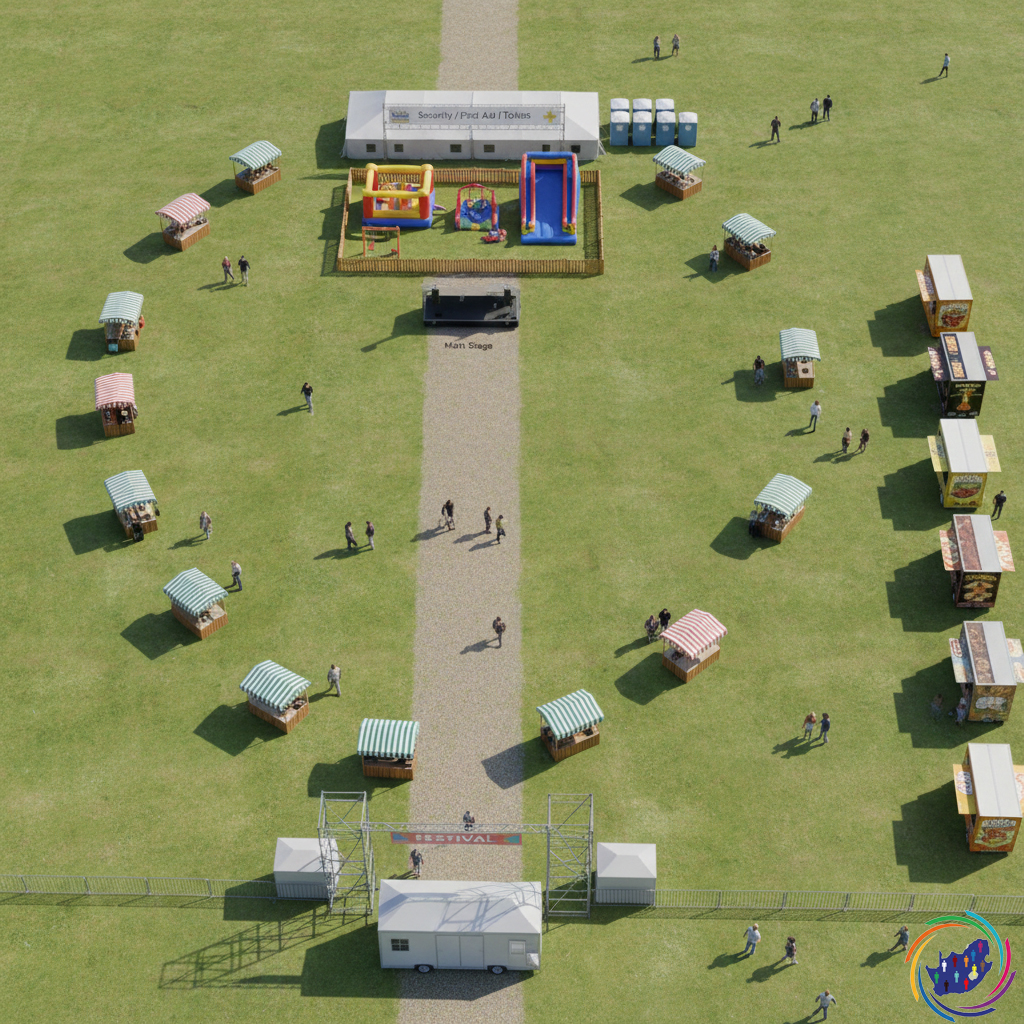
The Daily Program
Morning: The “Gathering of Voices” (Opening ceremonies).
Daytime: Village Explorations & Culinary Workshops. Each cultural group will have a slot on the stage to perform their music as well as traditional dance.
Evening: The “National Stage” (The headline musical production).
Stalls
We may offer additional stalls if we feel there is a need for it, however they must qualify under our charter. No commercial stalls allowed.
Cultural village placement and participation within We Speak Eleven are governed by a documented, neutral allocation system designed to ensure:
- Equal visibility
- No symbolic or physical hierarchy
- No preferential positioning
- Transparency and public accountability
Village allocation is conducted through a pre-determined, randomized numbering system.
To protect the integrity of this process:
- The full village numbering schedule was finalized in advance
- The document was sealed, date-stamped, and officially certified by the South African Police Service – (23 December 2025) prior to any bookings or allocations
- The sealed document is opened only once all village bookings are complete, in a publicly verifiable setting
This process ensures that:
- No individual or group can influence placement
- No adjustments can be made after bookings begin
- All cultural groups are treated fairly and equally
The allocation method is designed to be independent, auditable, and immune to interference.
Documentation supporting allocation procedures is available for verification upon formal request.
Expression of Interest/ Stall or Contact Us
“Pricing will be provided in the Formal Invitation Pack for selected participant
Sub-zone selections are used solely for cultural representation, scheduling, and logistical planning and do not affect artistic eligibility or participation.